
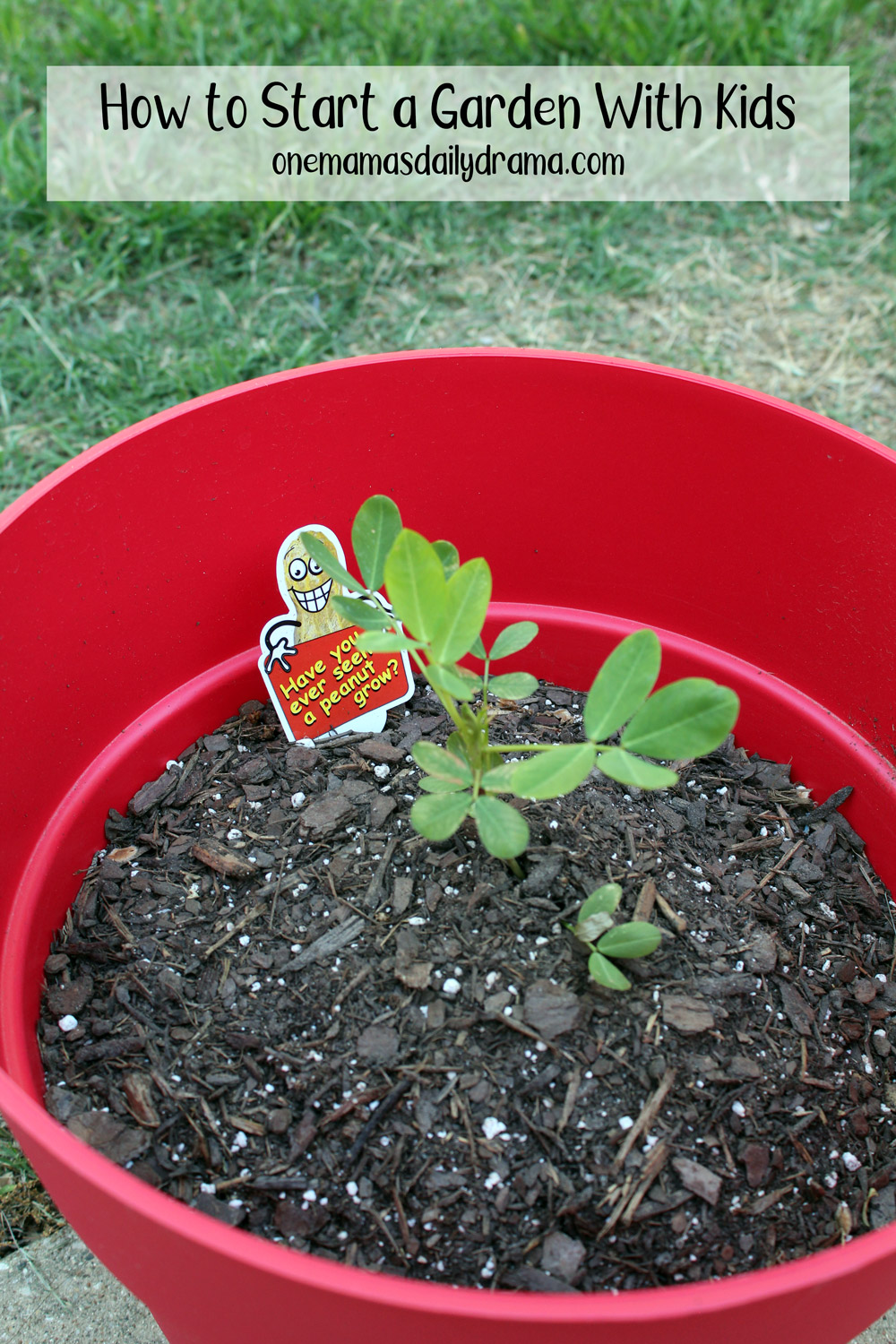
Start a small garden in your backyard with these beginner tips. Small gardens are perfect for getting kids involved in the process.
Disclosure: This blog contains affiliate links. As an Amazon Associate and member of other affiliate programs, Keri Houchin earns a commission from qualifying purchases at no additional cost to you.
I love gardening and my kids do too. It gets us outdoors and spending time together. For my kids, it’s also an excuse to get messy. In our previous home, we had a big backyard. Our garden was two plots – 8×8 and 8×16 feet. We grew a lot of vegetables, herbs and flowers. In those five years, we learned a lot about gardening. We made plenty of mistakes but had a lot of fun too.
Now that we have moved to a smaller house, we have a much smaller backyard. We can’t garden like we did before, but that doesn’t mean we can’t garden! With spring coming soon, I wanted to share my tips for small gardens with kids.
Why kids should garden
Of course, there is hard work involved, but gardening is also fun. My kids are always excited to watch the seeds they planted sprout and grow. It also teaches them responsibility. Taking care of a plant is a little like taking care of a pet, albeit much simpler. You have to give it the right amount of food and water. You can’t just ignore it for days.
There are also more practical benefits. If you have room to grow something edible, your child will learn to like vegetables. Now I don’t mean a sudden love for all things plant-based. However, my kids will try anything if they planted, cared for, and harvested it for dinner.
Gardening is educational. Think about kindergarten, when everyone plants a single bean in a clear plastic cup. At least here in Texas, kindergarteners have been doing that lessons for generations. Students learn the science of plants, nature, and their environment.
If you are ready to dive into gardening, here are a few things I’ve learned along the way. I’m not a professional, but sometimes trial-and-error is the best teacher.
Gardening tips
Start small.
No matter what size your space is, start with just one or two plants that can get your full attention. If you plant too many things, you’ll get overwhelmed with maintenance.
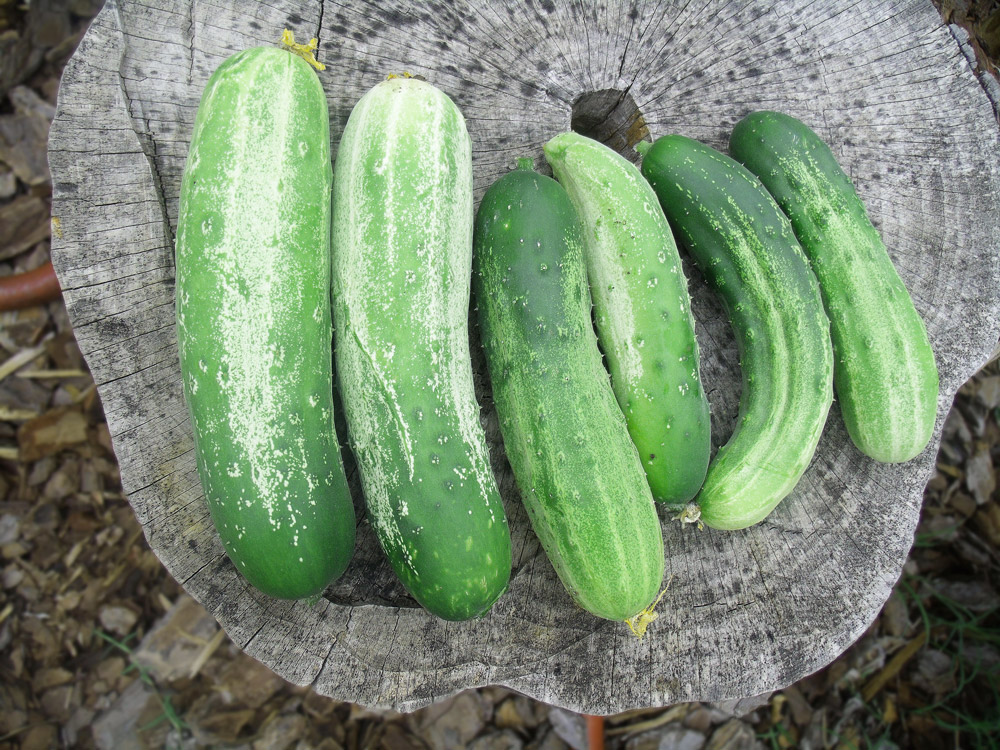
One summer, we planted a dozen different things and then everyone got busy with summer camps and travel. Guess what happened when we left town for a week? Jungle. Even when keeping a close watch, I ended up with a silly number of cucumbers two years ago. (True story: We canned the pickles and they lasted 3 years.)
Stagger planting.
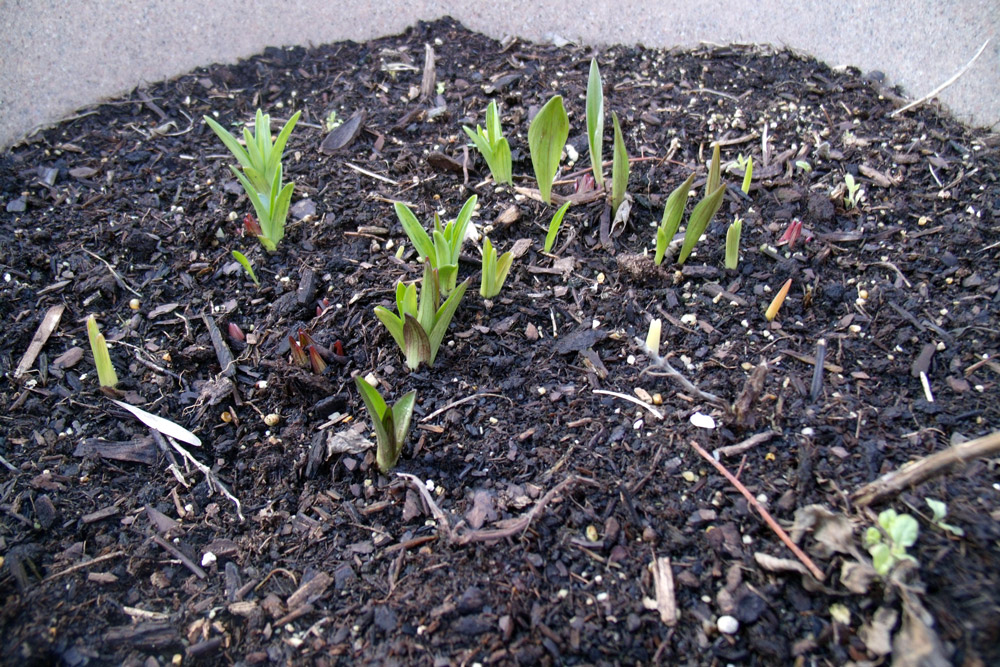
Even if you are only planting two or three things, don’t do it all at once. If you plant just one plant every week or so, they won’t all need the same attention at once. When in doubt, check the seed packet label to see how long it takes your veggies to reach full maturity.
Research your area.
Some plants grow better in one region than in another. Things that grow locally – flowers or vegetables – will be easier to care for. My favorite website for this kind of info is the Texas A&M Horticulture Department, but it is only helpful if you live in Texas.
Grow food.
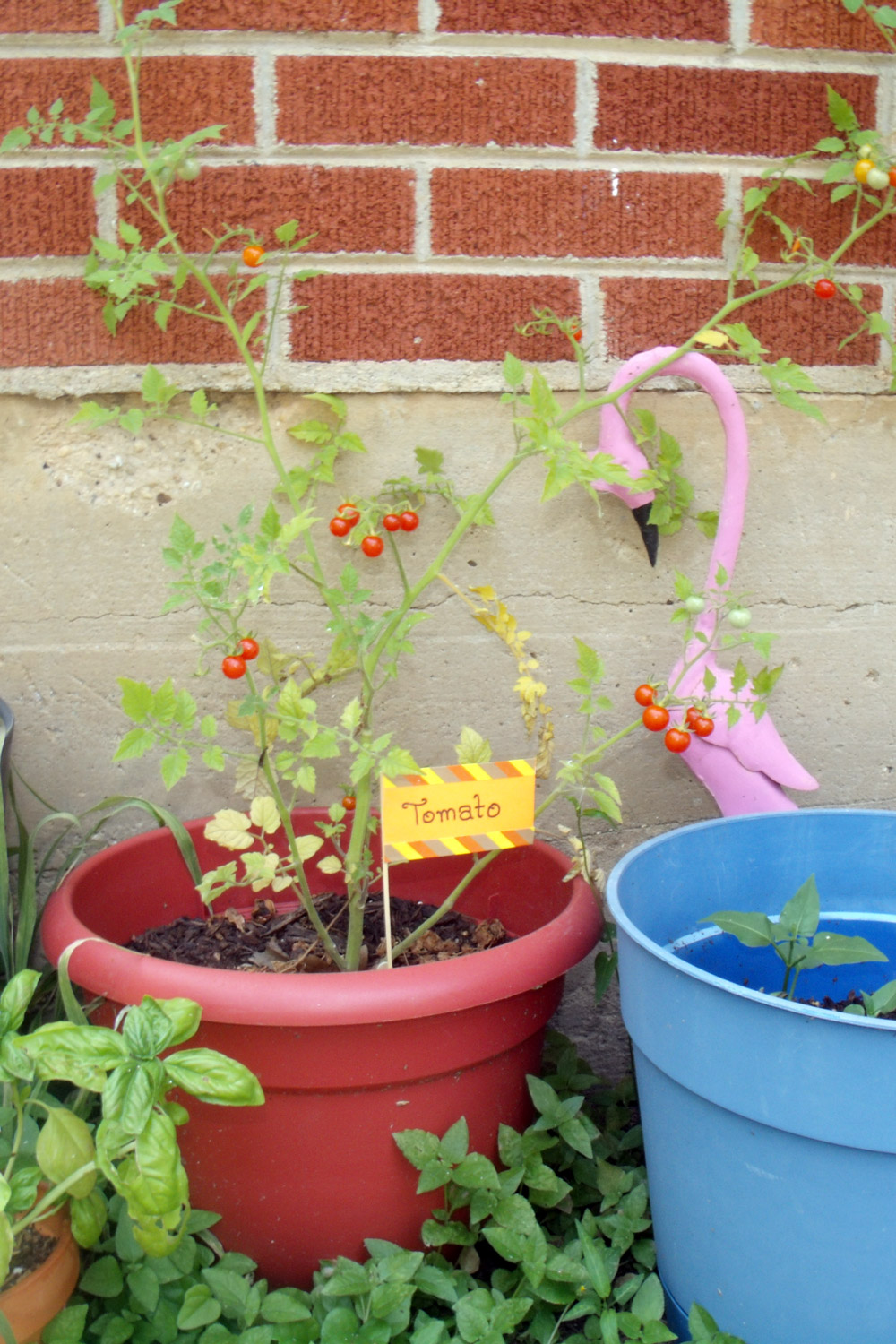
There is really nothing as satisfying as digging up ten pounds of potatoes and then cooking them for dinner. In a small space, tomatoes grow really well in a pot. So do green beans, black-eyed peas, peppers, and all herbs. I have a relative who grows her potatoes in containers because they are easier to harvest.
Get the kids involved.
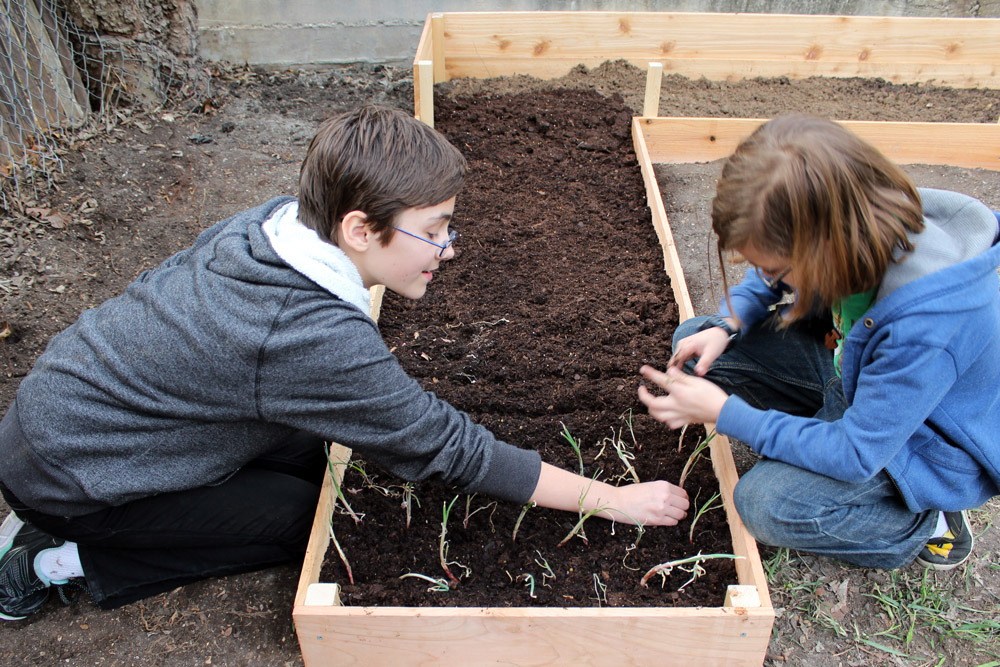
There have been weekends where I had to sing the Wonderpets song for motivation. (What’s gonna work? Teamwork!) But my kids also love being “in charge” of something. One summer, they each chose something small to grow and care for by themselves. One chose strawberries; the other planted petunias.
Make a chart.
Maybe I just love being organized, but I have found a written schedule helps a lot. Make a list of what you’re growing and what it needs.
Use a printable garden planting schedule or mark on the calendar when each plant needs to be watered, fertilized, and when it is ready for harvest. This is a good way for kids to remember to water because they can check it off each day.
Mark your plants.
In the beginning, everything looks like the same tiny, green shoots. I’ve tried several different types of garden markers:
- laminated paper flags
- painted rocks
- wooden stakes with names
- plastic tags that came with live plants
Go organic.
Finding certified organic seeds, potting soil, and fertilizer may or may not be easy, depending o where you live. However, even if that isn’t an option, avoid using chemicals when possible to avoid having to handle, measure, and store them.
Natural fertilizers like coffee grounds or guinea pig waste are good for the soil. Many plants deter bugs, including chrysanthemums, bell peppers, garlic, mint, and basil.
What’s next? Try these other fun and creative ideas on One Mama’s Daily Drama:
I reaaaally love this post! I can’t wait to move, we’ll actually have a fairly large garden space and I’m hoping that I’ll finally be able to grow… something 🙂 I have a knack for forgetting to water plants though so that will definitely need improvement. I’m pretty sure that my son will love pulling out the things I plant, I mean helping!
I’m pinning this to my gardening board!
Thank you! My kids were helping in the garden as toddlers, but there weren’t doing much more than getting dirty. So much fun though!